
Click here to sign up for our free daily newsletter

Every Day is Beach Day

Jul 12, 2021 | 4:18 PM

Prince Albert National Park maintains a number of beaches throughout the park, some accessible by car and others only by canoe or boat. The beaches range from wide stretches of fine sand with gentle slopes to tiny spots of sand, gravel and organic matter. With such a range to choose from, beach goers are sure to find a spot to suit their recreational needs.

Visit the following gems!:

· Namekus Lake offers a long sandy beach and only non-motorized watercraft are allowed here. It’s a favourite spot for paddle boarders, kayakers and canoeists.

· Sandy Lake has a boat launch, fish fileting station and ample room for an all-day picnic with family and friends.

Swimming and playing on the beach is a lot of fun, however swimmers should know their limits as all beaches and swimming areas in the park are unsupervised. Swimming in these areas is at your own risk and children should be watched at all times. For the safety of swimmers, the use of boats and canoes is not allowed in buoyed swimming areas.

Protect waterways from aquatic invasive species: Clean, Drain, Dry!

Aquatic invasive species threaten aquatic habitats, fisheries and valuable recreational resources. Parks Canada is informing visitors to prevent aquatic invasive species such as zebra mussels from entering waterways.

Visitors are asked to clean, drain, dry their watercrafts and water toys. These items include motorboats, canoes, kayaks, paddleboards, inflatables water toys, sand toys; anything that goes in the water. Parks Canada and the Province of Saskatchewan are working together to monitor for aquatic invasive species. More information.

Keeping the “wild” in wildlife

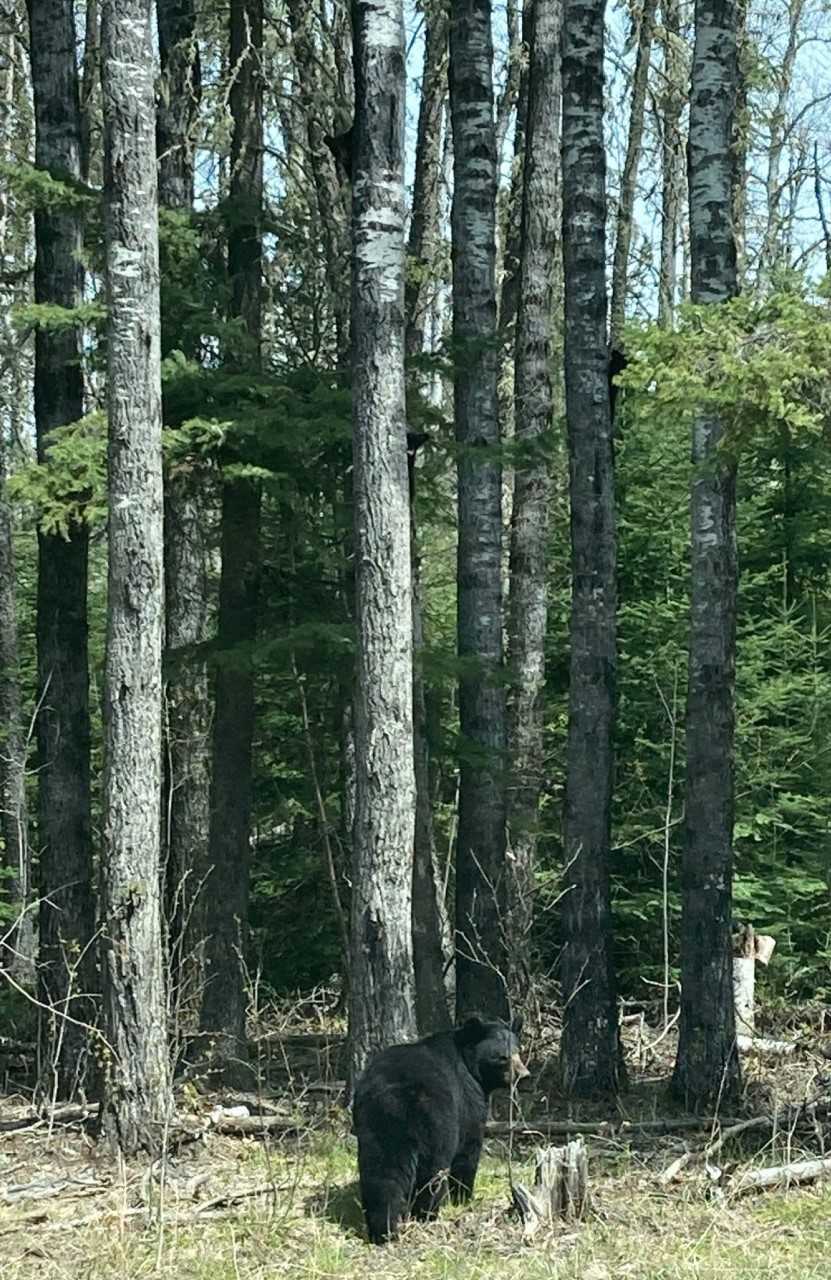
Prince Albert National Park is a great place to view wildlife in their natural habitat. With a vast range of recreational opportunities and camping experiences set in a wilderness full of elk, deer, fox, waterfowl and black bears, it is important to keep people and wildlife safe. Wildlife find their healthiest food in their natural environment and once they become accustomed to being fed by people, they stop looking for their natural foods and are no longer “wild”.

In national parks across Canada, it is illegal to feed wildlife. It is also important to reduce the chance of these animals getting into pet food, coolers, storage containers, barbecues and other items that have a strong smell. Visitors are encouraged to store items with an odor in vehicles, bear caches when in the backcountry or in bear-proof garbage and recycling containers provided throughout the park.