Click here to sign up for our free daily newsletter
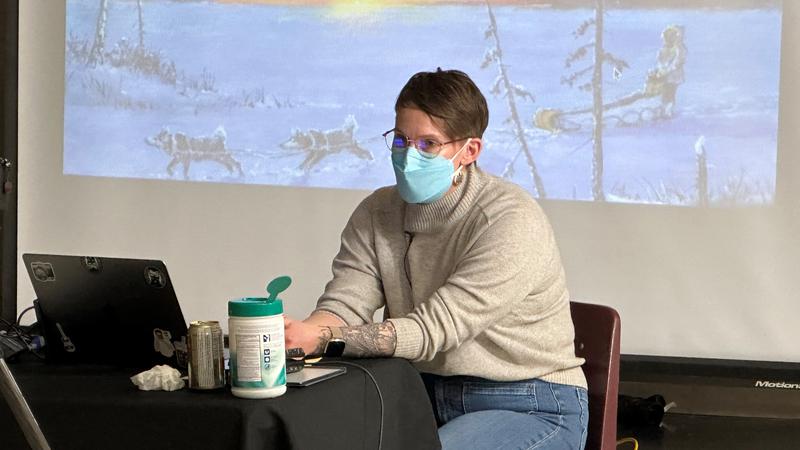
Jordan Woodsworth has been leading the project for nearly five years. (Derek Cornet/larongeNOW Staff)
final report

Findings of tri-community dog study shared with leadership, public

Feb 22, 2023 | 2:48 PM

Dr. Jordan Woodsworth, a clinical associate in wellness at the Western College of Veterinary Medicine, has released her final report for the Healthy Dogs Healthy Communities Research Project.

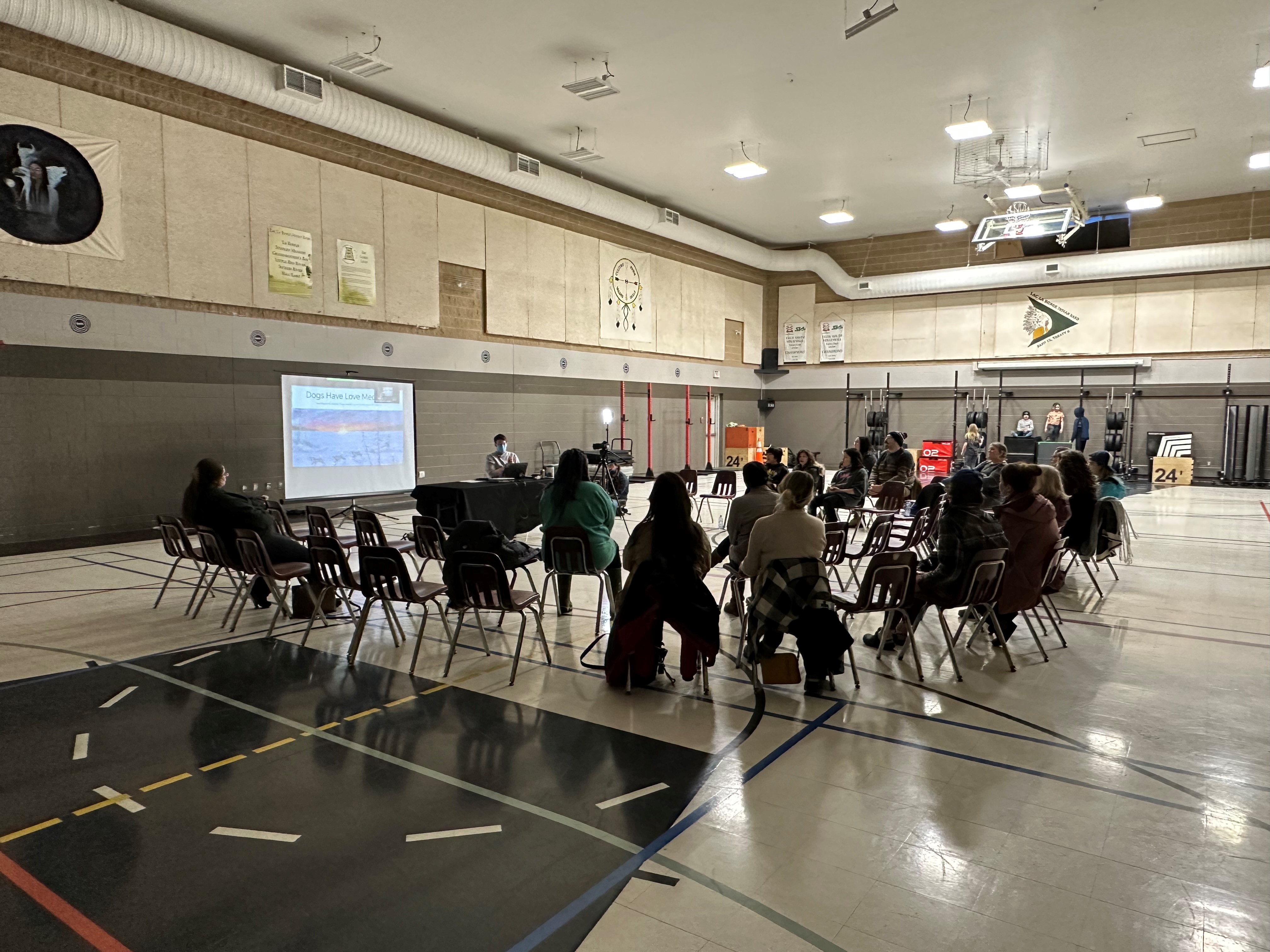
She delivered her findings last week to both the tri-community leadership, as well as to the public at a special event held at the Jonas Roberts Memorial Community Centre.

The idea for the project first arose is 2018, but it was until the spring of 2019 when data collection began. The data for the report came from 20 conversational interviews, nine key informant interviews, nine youth reflective journals and through document analysis.

“Everybody who we talked to in this research project talked about dogs as family and that was a really important message that came through,” Woodsworth said.

Woodsworth was able to determine that dog-human relationships are based in kinship and, when that relationship is healthy, there are fewer problems observed. She also concluded Northern Animal Rescue assumes much of the responsibilities for dog control, despite formal agreements (with the exception of the Town of La Ronge contract) and stable or sustainable funding models.

“Animal protection on the other hand, which is the legal animal welfare stuff, the RCMP are technically the … animal protection officers, but they are often unable or not trained appropriately,” Woodsworth said.

The event was attended by approximately 20 people. (Derek Cornet/larongeNOW Staff)

There are also challenges with local bylaws, which include unrealistic expectations and inadequate enforcement. For instance, the low socio-economic status of many tri-community residents means when a roaming dog is impounded, individuals are often unable to pay a fine and the animal ends up in an already overburdened system.

Woodsworth mentioned there are also issues in regards to dog pulls. Although dog pulls are currently necessary in La Ronge and other northern communities, they are not the answer to overpopulation in the long-term.

“Understanding that dog pulls happen in the tri-communities and they are necessary to protect community and public safety, but they are not the ultimately goal and most folks in the community want to see those things stop when it’s possible,” she said. “Right now, that’s kind of the best approach in order to get some of the dangerous ones out of the community so people aren’t in danger.”

Recommendations from the report include lobbying leadership for policy changes, exploring funding for community care, discontinuing dog pulls when able, and training, equipment and rabies vaccines for animal care personnel.

There needs to be more public health campaigns, a dog park, permanent identification system, more dog houses and fences, and a vaccine-only clinic for all community dogs, the report said.

Woodsworth also recommends the funding and building of a shelter, re-imagining of bylaws and animal care officer roles, and the implementation of tri-community animal care officer positions.

derek.cornet@pattisonmedia.com

Twitter: @saskjourno