Click here to sign up for our free daily newsletter
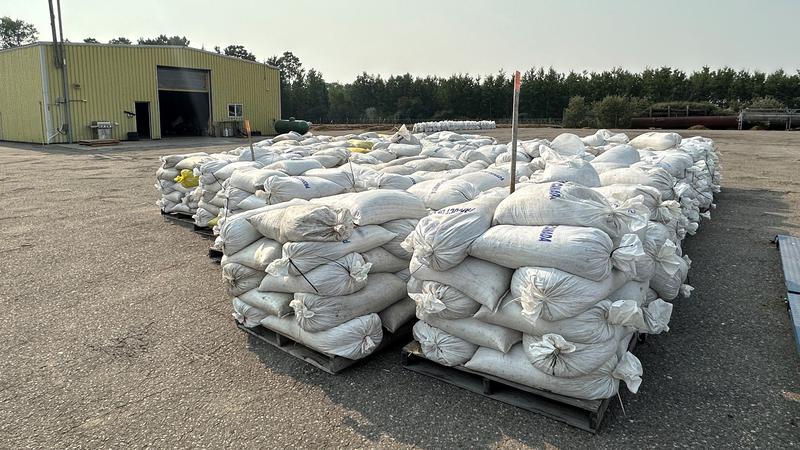
Although seasonal, wild rice is an important economic driver in northern Saskatchewan. (Derek Cornet/larongeNOW Staff)
organic

Wild rice product in northern Sask. could reach three million pounds in 2023

Aug 30, 2023 | 4:39 PM

A combination of perfect growing conditions has set the stage for what could be a record year for wild rice production in northern Saskatchewan.

“I think the thresh opened a week and a half earlier than it normally does, so I think we had first rice coming in on the 17th or 18th of this month,” said Lynne Watt, owner of Origins Wild Rice Co and a director with the La Ronge Wild Rice Corporation.

“It is gearing up to be that (boom year) and we hear from all aspects from northern parts of the province that mainly does rice harvesting from the west side, all the way over to the east side, and everybody is coming back with promising reports of really good crops. That’s great news.”

Watt explained some in the industry speculating the crop harvest could reach three millions pounds, which would be considered high as the most amount the organic wild rice plant in La Ronge has processed in a season is 2.8 million pounds in 2015.

Watt harvests rice in both the central and western parts of northern Saskatchewan. She expects harvesting to continue until the end of September or into October.

“It is really up to Mother Nature, so as long as we are getting long, sunny days with warm weather and we can avoid any heavy winds or rain or frost,” Watt said.

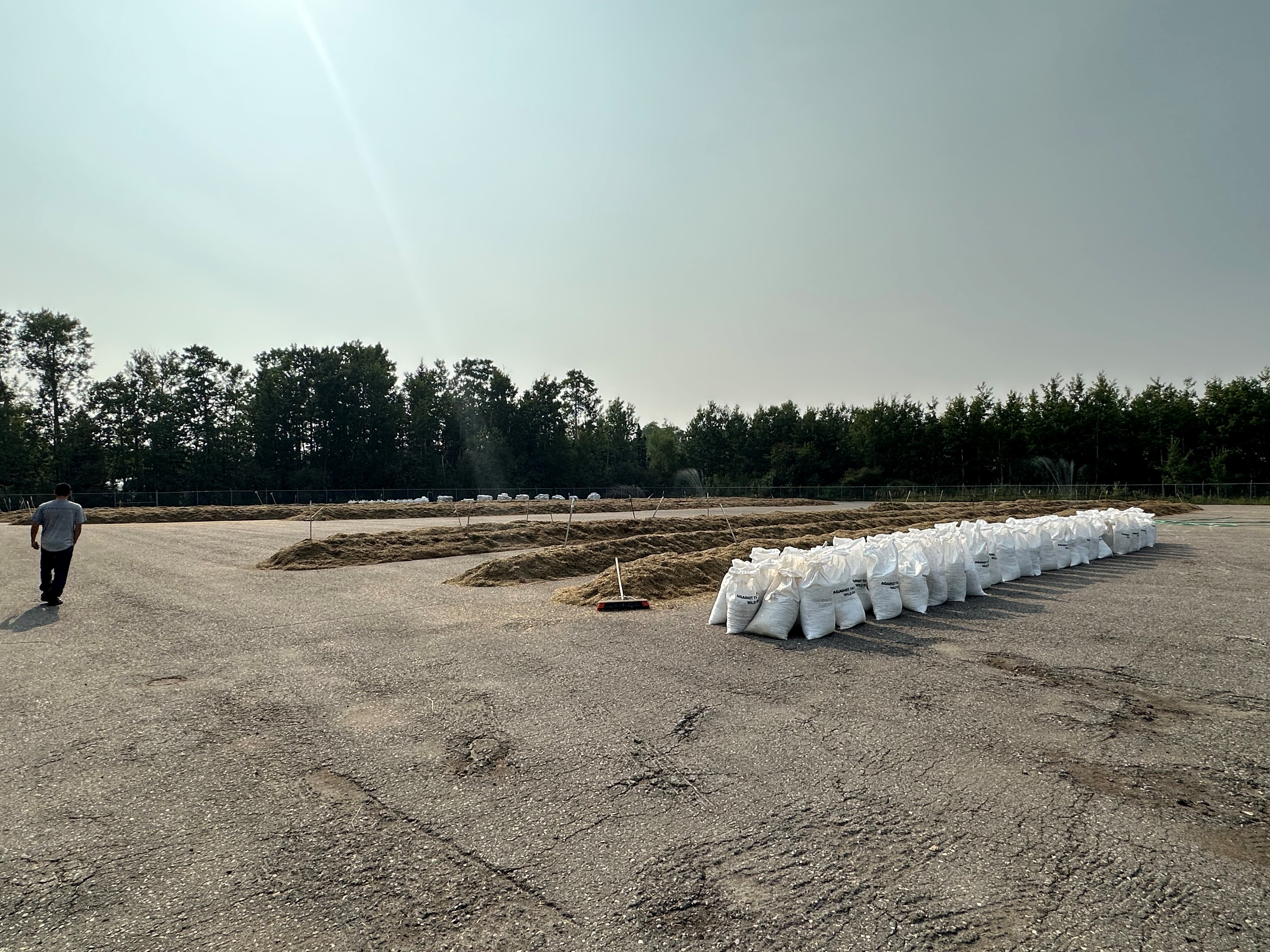
Wild rice is placed into rows, watered and flipped during the maturing process. (Derek Cornet/larongeNOW Staff)

Wild rice is an important economic driver in northern Saskatchewan with the harvest lasting up to eight weeks. Once taken off the lakes, it is transported to La Ronge in large bags for processing.

La Ronge Wild Rice Corporation manager Jeanne Gress explained when shipments reach the lot, bags are weighed and information such as where it came from and who harvested it is recorded.

The bags are dampened with water, before the rice is dumped and organized into rows for the maturing process. The rice is continuously watered and flipped until the rice matures, which takes anywhere between four to 14 days. The rice is then put through a processing plant, which runs 24 hours per day.

“We have four, 34-foot-long drying drums,” Gress said. “It goes through a series of these drying drums, so that it can come into the plant. The hulls come off and the rice goes through a whole lot of gravity systems sorting, grading, destoning, metal detectors and magnets.”

The rice is then bagged into a finished product and is shipped to countries all over the world. The processing plant can operate into December, but all the rice should be off the lot before the snow falls in October.

derek.cornet@pattisonmedia.com