Click here to sign up for our free daily newsletter
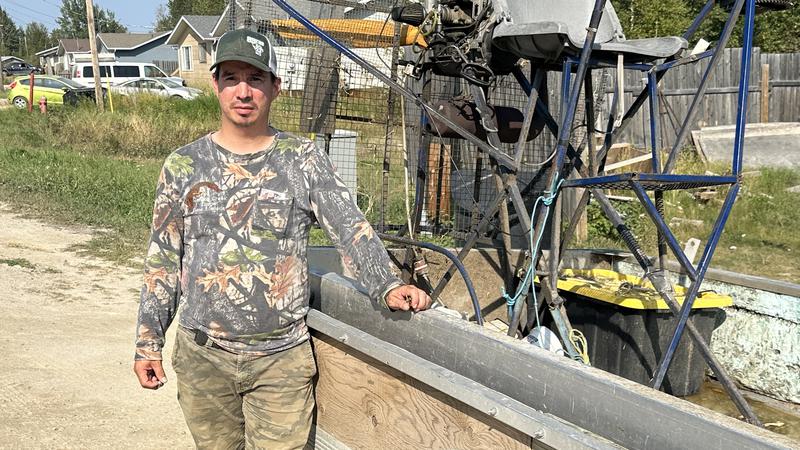
John Charles has been harvesting rice on Potato Lake for more than three decades. (Derek Cornet/larongeNOW Staff)
agriculture

Rice worm infestation affecting 2024 harvest

Sep 9, 2024 | 5:12 PM

Rice worms appear to be wrecking havoc for wild rice producers in Northern Saskatchewan.

larongeNOW spoke with two harvesters who have witnessed their crops being impacted by the insects, which seem to be migrating into the area from Manitoba. One crop on Meeyomoot Lake has been completely devastated, while another on Potato Lake just south of La Ronge has been affected as well.

“There’s a lot of worms that kill the rice. I think that’s what’s happened to us this year too. Even on the westside, there is a lot of worms and it is killing the wild rice,” said John Charles.

“It isn’t as bad right now, but they are starting to come out. They are hatching and they are starting to pop up now. The first couple of days wasn’t that bad, but now they are starting to pop up.”


Charles stated in the 30 or so years he has been harvesting wild rice, worms have never been an issue. He began harvesting last week, and he expects to continue for about another three weeks and plans just to ignore the areas that have been impacted.

Rusty Cameron harvests wild rice along the Manitoba border near La Pas and he said there has been rice worm infestations every once and a while in that area for the last four decades.

“I know in Minnesota and Wisconsin, they have had worms down there ever since there was wild rice, so it went through Winnipeg and up through and they just finally worked their way up through the westside of Saskatchewan is basically what’s happened,” he said.

“I know there are lots of them appearing now in the westside. I guess they just gradually fly in. The wild rice moth lays the eggs and so on and so forth. It’s just one of nature’s evils is all it is.”

Cameron explained towards the winter, the worms form cocoons near shorelines and then hatch as a moth during the spring. They then lay eggs in the florets of wild rice, where the eggs hatch and the larvae mature and then begin eating the seed. Once the seed is consumed, they spread throughout the wild rice crop.

“When you get a hot, dry year, it seems like they do really good [and] they survive really well,” Cameron added.

According to Environment and Climate Change Canada, La Ronge experienced its second driest summer on record in 2024. Last year was also the region’s warmest year on record.

Wild rice is an important economic driver in Northern Saskatchewan with the harvest lasting up to eight weeks. In 2023, the processing plant operated by the La Ronge Wild Rice Corporation was expecting to go through a record-breaking three million pounds of rice.

derek.cornet@pattisonmedia.com