Click here to sign up for our free daily newsletter
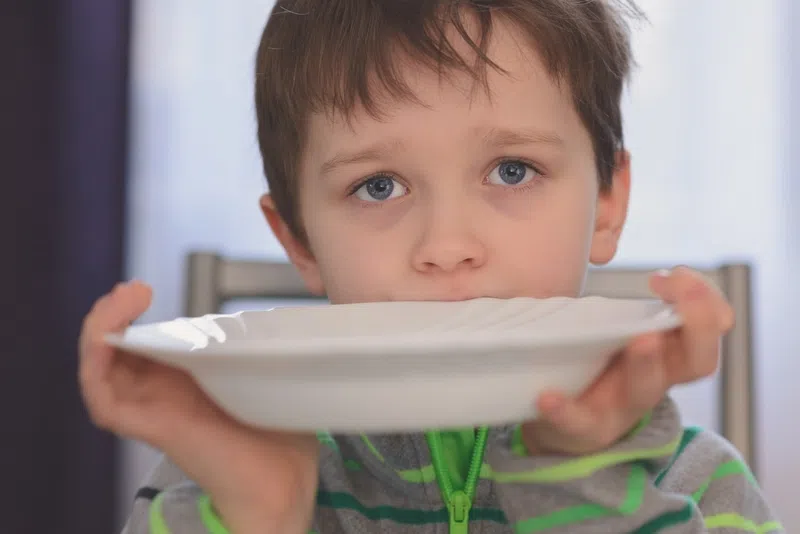
Within Saskatchewan, child poverty rates can vary dramatically depending on location. (Image Credit: ID 68286742 © Djedzura | Dreamstime.com)
Well below Canadian average

More than 30 per cent of children in Prince Albert live in poverty, rates double for Northern Sask.

Feb 25, 2026 | 4:32 PM

Critics are calling out the provincial government for alarming child poverty rates, particularly in northern communities.

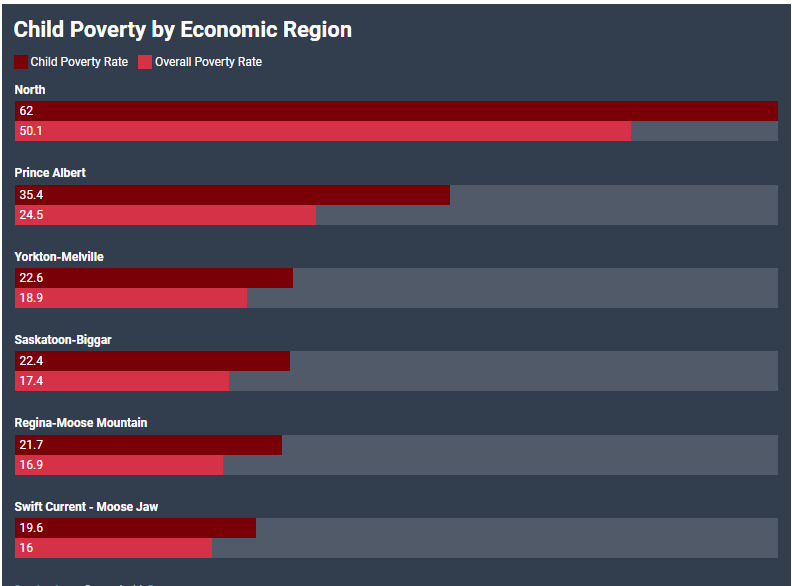
According to the study from the Canadian Centre for Policy Alternatives (CCPA), 35.4 per cent of children in Prince Albert live in poverty. That number jumps to more than six in 10 – or 62 per cent – in Northern Saskatchewan.

In addition to the poverty rates being extremely variable within the province, the author of the report said Saskatchewan also has the highest child poverty rates of any province in the country at 27.1 per cent – or over 78,000 children. Canada’s national child poverty rate is nearly 10 points lower at 18.3 per cent.

Simon Enoch's Canadian Centre for Policy Alternatives study shows six-in-ten children in Northern Saskatchewan live in poverty.
Simon Enoch’s Canadian Centre for Policy Alternatives study shows six-in-ten children in Northern Saskatchewan live in poverty. (Image Credit: Submitted)

Senior researcher and director of the Saskatchewan office of the CCPA, Simon Enoch said, “I think it is important to ask the questions of why and what sort of policies are going to be required to reverse these trends because they’re extremely concerning when you have over 50 per cent of Saskatchewan’s North vulnerable to child poverty.”

The Saskatchewan Advocate for Children and Youth, Dr. Lisa Broda, said it’s unacceptable that children in Saskatchewan or in Canada, a developed country, live in poverty.

“This is a child and human rights issue that must be tackled with the full support and resources of the federal and provincial governments. Under the United Nations Convention on the Rights of the Child, Article 27 states that children have a right to an adequate standard of living, appropriate housing, and adequate nutrition and without this, it can impact a child’s capacity to learn in school, their mental health, and their overall well-being,” Broda said in an email to paNOW.  “Therefore, a child cannot thrive and live to their full potential if these other rights cannot be met.”

In a press release, Saskatchewan NDP Leader Carla Beck said, “Young families are struggling to put food on the table, and Moe’s government is actively making life harder with higher power bills, more costly insurance, and taxes on basics like kid’s clothes and groceries. This is why people are leaving our communities. This is why our province’s population is literally shrinking for the first time in years.”

More detailed data from Enoch's child poverty study.
More detailed data from Enoch’s child poverty study. (Image Credit: Screenshot/policyalternatives.ca)

The Government of Saskatchewan countered and said at a time when cost-of-living pressures are affecting all Canadians, affordability challenges remain top of mind. The 2025-26 budget includes ‘several initiatives to support low-income residents and help people manage everyday costs.’

It noted the Saskatchewan Low-Income Tax Credit (SLITC) is increasing by five per cent annually for the next four years, in addition to indexation – an enhancement that will benefit more than 300,000 individuals in the province.

In an email to paNOW, the government also referred to the introduction of the Saskatchewan Employment Incentive, Saskatchewan Housing Benefit, and investments in Saskatchewan Housing Corporation units to provide more safe and affordable housing.

“We continue to strengthen income assistance programs by increasing benefits to Saskatchewan Income Support (SIS) and Saskatchewan Assured Income for Disability (SAID) clients by two per cent. This is the fourth year in a row SIS benefits have increased, and the third year in a row SAID benefits have risen. We also introduced a new income exemption for non-earned income from e-transfers and gifts, increased SAID earned income exemptions and have exempted the new Canada Groceries and Essentials Benefit along and Canada Disability Benefit from our core income assistance programs. Income assistance programs include enhanced supports for clients living in northern communities to help address the higher cost of living in these areas.”

They said the taxation changes the government introduced will provide over $250 million in tax savings this year.

“This is in addition to the more than $2 billion in affordability measures in each and every budget,” the email read.

Enoch said there is no doubt government transfers make a huge impact on the amount of poor people in the province, but he said programs like the Canada Child Benefit and SLITC could be more robust in regards to greater eligibility and higher thresholds, so more people qualify.

The provincial government released a Poverty Reduction Strategy in 2016 that aimed to reduce the number of residents who experience poverty for two years or more by 50 per cent by the end of 2025.

“It’s probably best that government promise has been largely forgotten because we’re approaching about a decade since that promise was made, and we see from the report card, poverty in Saskatchewan, in particular, child poverty is not only growing, but deepening,” said Enoch.

Earlier in the week, the premier said the upcoming provincial budget will include a deficit. However, Scott Moe promised taxes will not increase for Saskatchewan residents and that services would not be cut. The provincial budget is set to be tabled on March 18.

 teena.monteleone@pattisonmedia.com