Click here to sign up for our free daily newsletter
(Submitted/ Tina Pelletier)
Emergency response

Northern rescue exposes major emergency-response gaps, says Peter Ballantyne Cree Nation

Nov 25, 2025 | 4:36 PM

Stating a couple in their late 50s requiring medical attention was left stranded for nearly two days in a remote area of Northern Saskatchewan before being rescued, leadership at Peter Ballantyne Cree Nation (PBCN) is calling on the province and federal government to address what they call critical emergency-response gaps.

Among the suggested reforms are clear helicopter medevac protocols, dedicated contracts, better interagency coordination, and proper search-and-rescue and geography training for RCMP officers in remote regions.

It’s also urging the creation of reliable pathways for medical emergencies and search operations in areas where 9-1-1 cannot be accessed.

“These gaps in the provincial emergency-response system placed a northern family at significant risk,” said Chief Peter Beatty of Peter Ballantyne Cree Nation. Federal challenges compounded delays, with the RCMP relying on the family for navigation and no formal search-and-rescue activation occurring during the nearly 48-hour search.

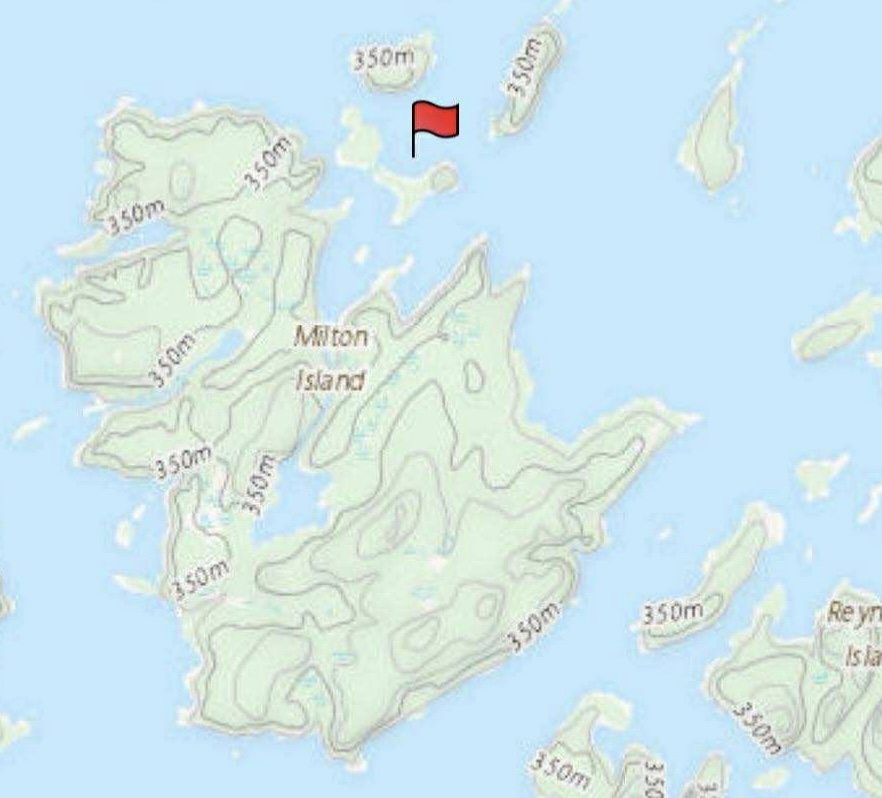
According to information provided by PBCN, the couple departed Tate Island around 2 p.m. on Nov. 13 when they experienced engine trouble and their boat began taking on water. They reached Milton Island, where they became stranded.

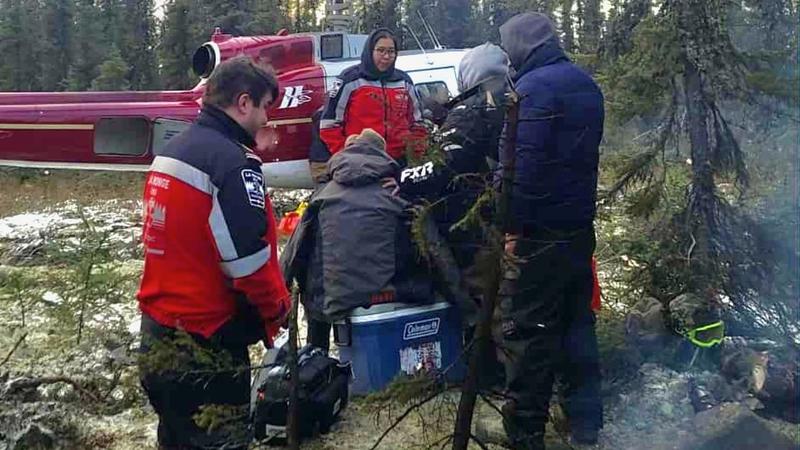
“Throughout the ordeal, the couple — cold and wet — survived by huddling under a shared blanket on spruce boughs and keeping a fire burning the entire time,” a statement from PBCN said.

(Submitted/ Tina Pelletier)

When they did not return home, a family member launched a search the next morning. They were found on Nov. 15 suffering from hypothermia after two days in sub-zero temperatures. PBCN indicated the RCMP were contacted Thursday evening but did not activate a search or notify search-and-rescue services, even though the couple had not returned as planned.

Officers fuelled their boat but did not proceed further due to unfamiliarity with the lake system, leaving early search efforts to community members. With no cell service in the region, the community set up a Starlink Mini to relay GPS coordinates.

Efforts to secure medical transport exposed additional gaps: floatplanes in La Ronge were grounded due to frozen bays, and the Saskatchewan Health Authority confirmed it has no rotary-wing medical transport contract for northern Saskatchewan.

STARS Air Ambulance was also unavailable, leaving no established air-medical option in place when rapid evacuation was needed. With no formal helicopter medevac system in place, it took six hours to arrange a helicopter. La Ronge EMS provided care during the flight, and the couple is now safe.

“This incident shows that both levels of government must strengthen their emergency-response responsibilities in the North,” said Chief Beatty. “The province oversees medical transport and EMS coordination, and the federal government oversees policing and search response. In this situation, neither system met the needs of our community.”

PBCN also stated responders were repeatedly told to “call 9-1-1” to activate medical services, even though there is no cell coverage in the area — underscoring that there is no formal, reliable system for accessing emergency medical support in northern, remote and rural regions.

“We are asking for equitable emergency services,” he said. “Northern residents should receive the same emergency support as any other citizen, free of the systemic inequities that our Nation continues to face,” Beatty said.

PBCN says it is prepared to work with both levels of government to advance longterm solutions.

RCMP says conditions too dangerous for immediate rescue

In an emailed statement, Saskatchewan RCMP said officers from the Southend detachment were told about the missing boaters around 8:20 p.m. on Nov. 13 and “immediately assessed the situation.”

“It was dark and weather conditions were poor — high winds were creating swells on the lake, temperatures were frigid and there were periods of heavy rain and snow. As boat and aerial searches would be currently impossible and dangerous to any involved searchers, Southend RCMP began making plans to start a search at first daylight, which included consultation with Saskatchewan RCMP Search and Rescue,” the statement read.

Saskatchewan RCMP said the Southend detachment, working, with Civil Air Search and Rescue Association (CASARA) was to do an aerial search for the boaters early on Nov. 14 but it was delayed because of poor weather.

Southend RCMP also liaised with Prince Albert Grand Council Search and Rescue, the statement said, adding that two groups of civilian searchers with extensive local knowledge also began searching on Nov. 14.

“It’s our understanding they were also met with extreme conditions; one of the two groups had to shelter overnight during their efforts,” RCMP said.

The statement went on to say the detachment commander kept “the boater’s loved ones and community leadership, including Chief Peter Beatty,” informed.

RCMP said weather conditions on Nov. 15 allowed CASARA began an aerial search over Reindeer Lake, but before the plane reached the search area, officers at the Southend detachment were told civilian searchers found the missing pair.

“We welcome dialogue with community partners on how we can continue to work together to ensure non-criminal emergency services, such as medical, fire and search-and-rescue response, are available in all Saskatchewan communities,” the statement said.

paNOW has attempted to get a comment from both the provincial government and the Canadian Ranger Patrol, but did not receive a response by the publishing deadline.

nigel.maxwell@pattisonmedia.com

On X: @nigelmaxwell

— with files from CKOM staff