Click here to sign up for our free daily newsletter
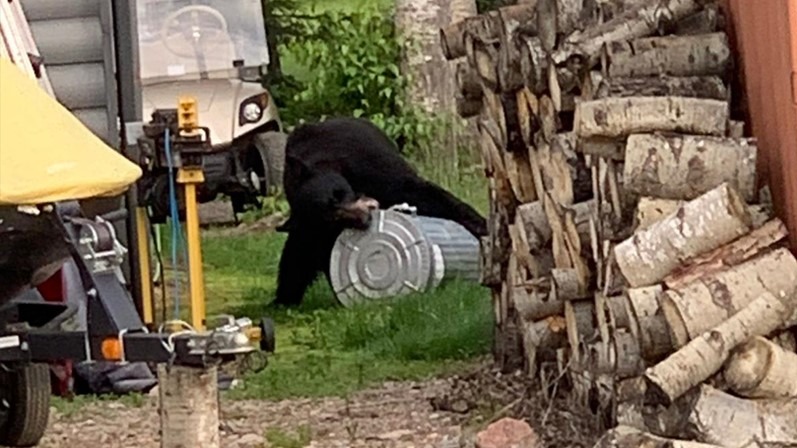
Bears are searching for food and towns and cities can provide a sources if attractants aren't well managed. (Image Credit: Submitted photo/Ministry of Environment)
steep rise

Bear complaints around La Ronge more than triple since 2024

Sep 28, 2026 | 4:00 PM

In the last two years, there has been a major spike in the number of bear complaints received by conservation officers (COs) in the tri-community area.  

Data from the Ministry of Community Safety shows as of Sept. 22, officers have responded to 210 bear-related calls for services in 2026. That’s compared to 60 in all of 2024 and 133 in 2025 as of Oct. 8.  

Of the calls so far in 2026, 75 bear traps were deployed, 28 bears were trapped, 21 were euthanized, and seven bears were relocated.  

“Fires obviously can really impact the landscape, but bears are typically able to move on to other areas when a fire hits and they will move on to where the next available food source is, so if they can find a nice meadow with lots of berries and a good berry crop, they will move on there,” explained Elizabeth O’Hara, a wildlife ecologist and the Saskatchewan Ministry of Environment’s Provincial Black Bear Biologist.  

“If there is readily available food sources in town, they may be drawn into those areas as well, so it really just depends on what is available to them at that time and they will just naturally keep moving on until they can find food.” 

O’Hara noted bears will move to wherever food is found and that includes towns and cities where attractants aren’t well managed. Common attractants include bird feeders, fish, meats and fats, oils, and unrinsed eggshells. 

“If people aren’t securing their garbage or cleaning their barbecues or they’re leaving out pet food and things like that, bears will see that as easily available food sources and be more likely to be drawn into those areas,” she remarked. 

“We’re seeing a really stable and healthy bear population, so it’s not that the number of bears are increasing, but more people are encountering bears and calling into the COs about them. In talking to the COs, it seems like most of the issues they are seeing is these bears are getting into garbages and stuff like that and that’s what people are calling in about.” 

O’Hara added now is a crucial time to be bear aware as they are entering a state of constant hunger as they try to consume enough calories to hibernate through the winter. If you encounter a bear, keep your distance and do not try to scare the animal away. Make a wide detour, calmly back away, speak in low tones and don’t look directly at the bear. Most often, the bear will move on without any intervention. 

Residents are encouraged to harvest fruit from trees as it ripens and promptly remove any fallen fruit from the ground. Other common attractants, such as household garbage, should be stored in a secure location, such as a shed or garage, whenever possible. 

Garbage should be placed out for collection as close to pickup times as possible rather than being left along the street overnight. If garbage is scattered by wildlife, residents should clean it up as soon as it is safe to do so to help prevent bears from returning to the area. 

If a bear repeatedly enters your community, refuses to leave, or you experience an aggressive bear encounter, contact the Turn in Poachers and Polluters (TIPP) line at 1-800-667-7561, text #5555 if you’re on the SaskTel Mobility Network or call your local RCMP detachment. 

derek.cornet@pattisonmedia.com