Click here to sign up for our free daily newsletter
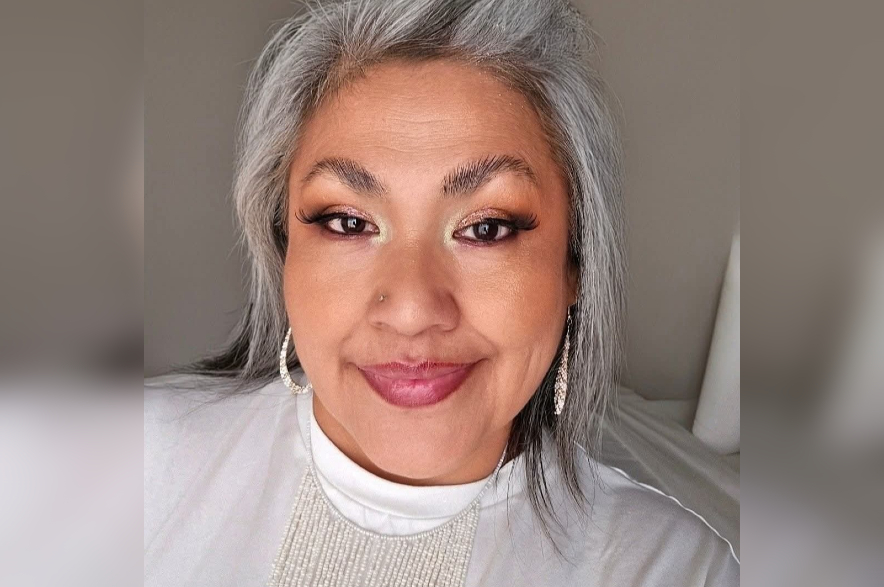
Kerry Benjoe attended the Qu'Appelle Indian Residential School in the 1990s. She was the fourth generation of her family to attend the residential school. (Image Credit: Submitted/Kerry Benjoe)
NDTR

Residential school survivor says system worked against Indigenous students

Sep 30, 2026 | 11:29 AM

Kerry Benjoe is holding her family’s stories from the Qu’Appelle Indian Residential School close to her.

“I carry forth the stories from my parents, my grandparents and great-grandparents, because they didn’t have the opportunity we have today to share these stories,” Benjoe said. “It was hidden.”

The residential school in Lebret, 80 kilometres northeast of Regina, opened in 1884.

Benjoe said four generations of her family attended the school over the 114 years it was open. She said she was the last student in her family to go to residential school before the building closed in 1998.

“It changed us intrinsically,” Benjoe said.

Benjoe said her parents and grandparents were forced by the RCMP to attend the institutions, but she was given a choice.

“Although I wasn’t forced to be in these schools, the system that existed made it impossible for those of my generation to not be in those schools,” she said. “We had no place. We had no place of education that wanted us.”

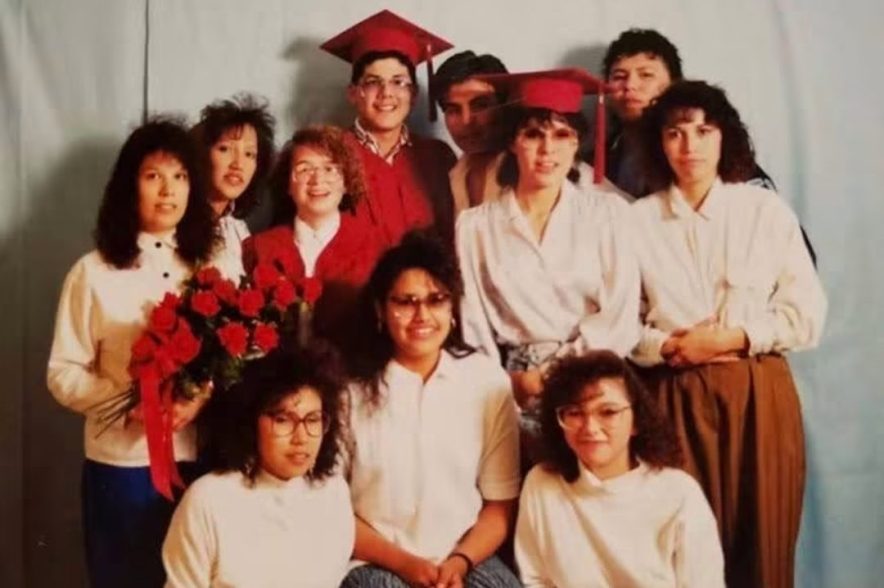
Kerry Benjoe and her graduating class at the Qu’Appelle Indian Residential School in 1990.
Kerry Benjoe and her graduating class at the Qu’Appelle Indian Residential School in 1990. (Image Credit: Submitted/Kerry Benjoe)

Benjoe said on-reserve schools only went up to Grade 6 or Grade 8, so she decided to leave her family on Muscowpetung Saulteaux Nation to be able to receive her Grade 12 education.

“We had to choose (the) residential school,” Benjoe said. “It was either that or get bussed out of our communities into a public school.”

Benjoe said she knew there was a risk of facing racism and segregation at public schools,

“It became easier to just go where you were welcomed, go where there were other brown faces were. You didn’t feel like the outsider,” she said.

“Unfortunately, you had to give up your family. You had to give up your community.”

Benjoe is the last living member of her family who witnessed residential school.

Even while Canada marks its fifth National Day of Truth and Reconciliation on Wednesday, Benjoe said there are still residential school deniers who are aggressively trying to silence survivors.

“It’s become even more vitally important for us as last-generation survivors to stand up and share,” she said. “To educate and re-educate about the system that existed.”

Benjoe said there have been positive strides towards reconciliation, like public buildings being named in Indigenous languages. But, she added, there is still more effort needed to address disproportionate rates of Indigenous homelessness.

“It was four generations of us that went through that school,” Benjoe said. “I think it will take four generations for us to be back at that place where we aren’t impacted by residential schools.”

—