Firefighters Without Borders donating gear to Hatchet Lake Dene Nation
-
Share on Facebook
-
Share on Bluesky
-
Share on X
- Copy Link
First Nations communities across Saskatchewan including Hatchet Lake Dene Nation are benefitting from large donations from Firefighters Without Borders Canada (FWB).
Within the last year, Ontario FWB representatives Carl and Christina Eggiman have sent approximately 1,000 sets of bunker gear to Saskatchewan First Nations Emergency Management. Eggiman received the used gear from fire departments in Ontario and it’s just been recently he’s been sending the donations to First Nations communities instead of developing countries.
“That’s a huge resource for the province they didn’t have before,” Eggiman said. “Now they are fully equipped, and they are going to be fully trained, so that’s the idea behind it. You have another 1,000 bodies, males and females, as a resource to help combat fires.”
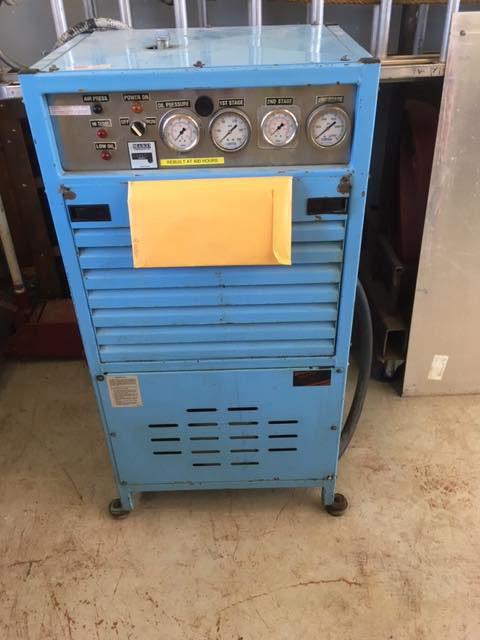
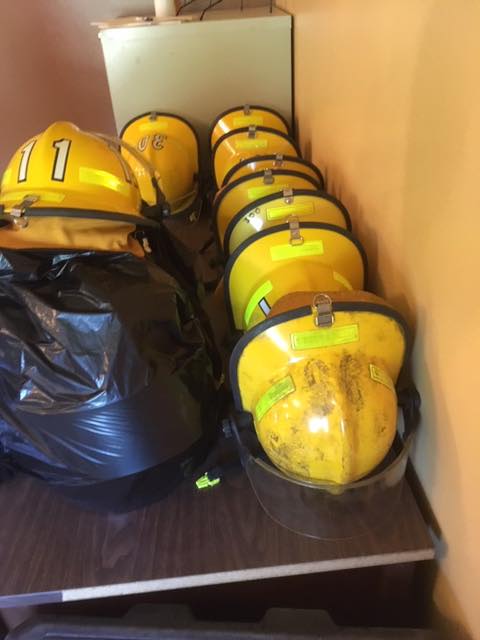
A number of donations for Hatchet Lake Dene Nation is currently in Prince Albert waiting to be delivered including a Mako breathing air compressor complete with cascade, as well as jackets, pants, boots and helmets. The donation came from the Prince Fire Department near Sault Sainte Marie in Ontario and Eggiman stated the used compressor alone is worth $5,000. Back in June, Hatchet Lake also received an ambulance donated by the South Sherbrooke Township.