Click here to sign up for our free daily newsletter
The three telecommunications teams across the province have access to state of the art technology. (Image Credit: Submitted/ Lyle Karasiuk)
Community heroes

Behind the screen: the job of a telecommunicator

Apr 15, 2026 | 2:00 PM

Whether it’s a couple whose arriving baby simply couldn’t wait for the hospital, or a family member who requires urgent care, a comforting and calm voice on the other end of a 9-1-1 call can make all the difference.

April 12-18 has been proclaimed by the Government of Saskatchewan as Public Safety Telecommunicators Week.

In 2025, the highly trained individuals working out of the province’s three medical telecommunication centres in Regina, Saskatoon and Prince Albert answered more than 555,000 calls.

Amanda Brown has worked with the Medical Communications Center North team in Prince Albert for six years. She recalled the initial reason she considered the job was out of a need for change from what she was doing and a challenge

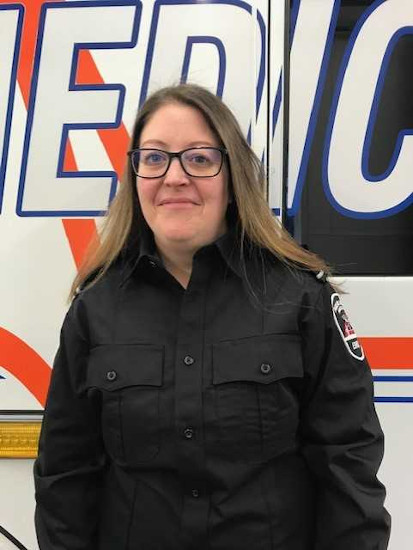
“You get satisfaction knowing you’ve helped someone when they needed it whether its calming someone who is panicked on the phone, guiding them through CPR or just ensuring help gets to the right place efficiently,” she said.

Amanda Brown.
Amanda Brown. (Image Credit: Submitted/ Lyle Karasiuk)

Reflecting back on the personal highlights of her career, Brown mentioned walking someone through CPR and later hearing they recovered, or something as small as a thank you from someone she’s helped through a tough situation. She acknowledged her job is challenging and emotionally demanding.

“You’re often dealing with people in distress. high pressure situations, sometimes tragic outcomes and  we just always need to stay calm, focused and professional to help our callers.”

When asked what advice she would perhaps offers someone who is considering applying, Brown said ideal candidates are capable of handling stress and able to think and work well under pressure.

“It’s a very difficult job that can be chaotic at times but it can also feel vey rewarding,” she said, adding she feels fortunate to work with a supportive team.

Medical Communications Center North services a wide area that includes the communities of La Ronge, Nipawin, Melfort and Blaine Lake. Lyle Karasiuk, Director of Support Services and Media Relations with Parkland Ambulance, said they provide a vital service.

“Those communications specialists are essential to getting the medical communications team organized so that the paramedic teams, first responders and other services they coordinate are all managed effectively and cohesively,” he said.

Karasiuk recalled when he started with Parkland Ambulance nearly 40 years ago, they used their phones and radios for ambulance calls for the City of Prince Albert.

“The phone would ring and you would pop up, run to the phone, take the information, run to an ambulance and drive to the call,” he said.

During day shift, front office staff would help look after phones and radios and, of course, technology wasn’t what it is today.

“It was a pad of paper, it was a telephone and it was a two-way radio that connected us in Prince Albert to the ambulance crews to get the dispatching information,” Karasiuk explained, adding the professional team today has access to advanced tele-communications technology.

“I honestly couldn’t sit in front of their computers and do what they do,” he said.

Additionally, individual police, EMS and fire services also have telecommunicators that take thousands of calls in their emergency response centres.

National Public Safety Telecommunicators week is observed annually during the second full week of April. 

nigel.maxwell@pattisonmedia.com

On X: @nigelmaxwell