Click here to sign up for our free daily newsletter
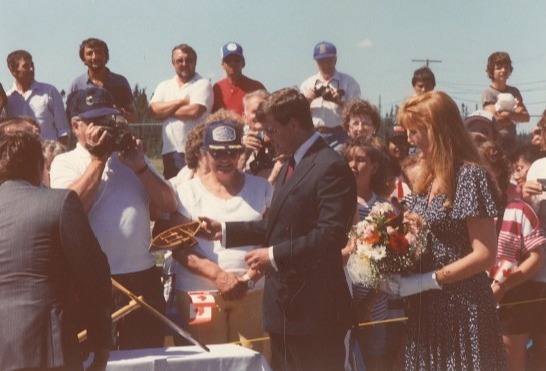
Mayor Mel Hegland at the opening ceremony of the town taking over the airport in 1988. Hegland served as mayor from 1976 to 1991. (Image Credit: Submitted photo/Town of La Ronge)
looking back at five decades

Fifty years of township: La Ronge moves from fishing town to administrative powerhouse

Nov 3, 2026 | 4:15 PM

With it being 50 years since La Ronge was granted town status by the provincial government on Nov. 1, 1976, larongeNOW is looking back at what the community once was and what it is today. From a fishing town, administrative centre, to one with a more diversified economy, larongeNOW talked to some of the movers and shakers about the past, present and what the future might hold. This is the first part of a three-part series.  

Jean Poirier came to La Ronge in 1965 and it immediately felt like home to him. He was drawn in by the natural beauty, but also realized the opportunities that could be had.  

Poirier was on council for four years in the 1970s and was the acting-mayor in the lead up to La Ronge receiving town status. He called the community a bustling place at the time on the verge of everlasting change. 

“It was very exciting. I was part of all of the changes here. I was extremely involved in all development,” Poirier explained. 

“There was tremendous opportunities in the North. Everybody was looking for a job. There were no people on the streets here. It was a go, go, go place.” 

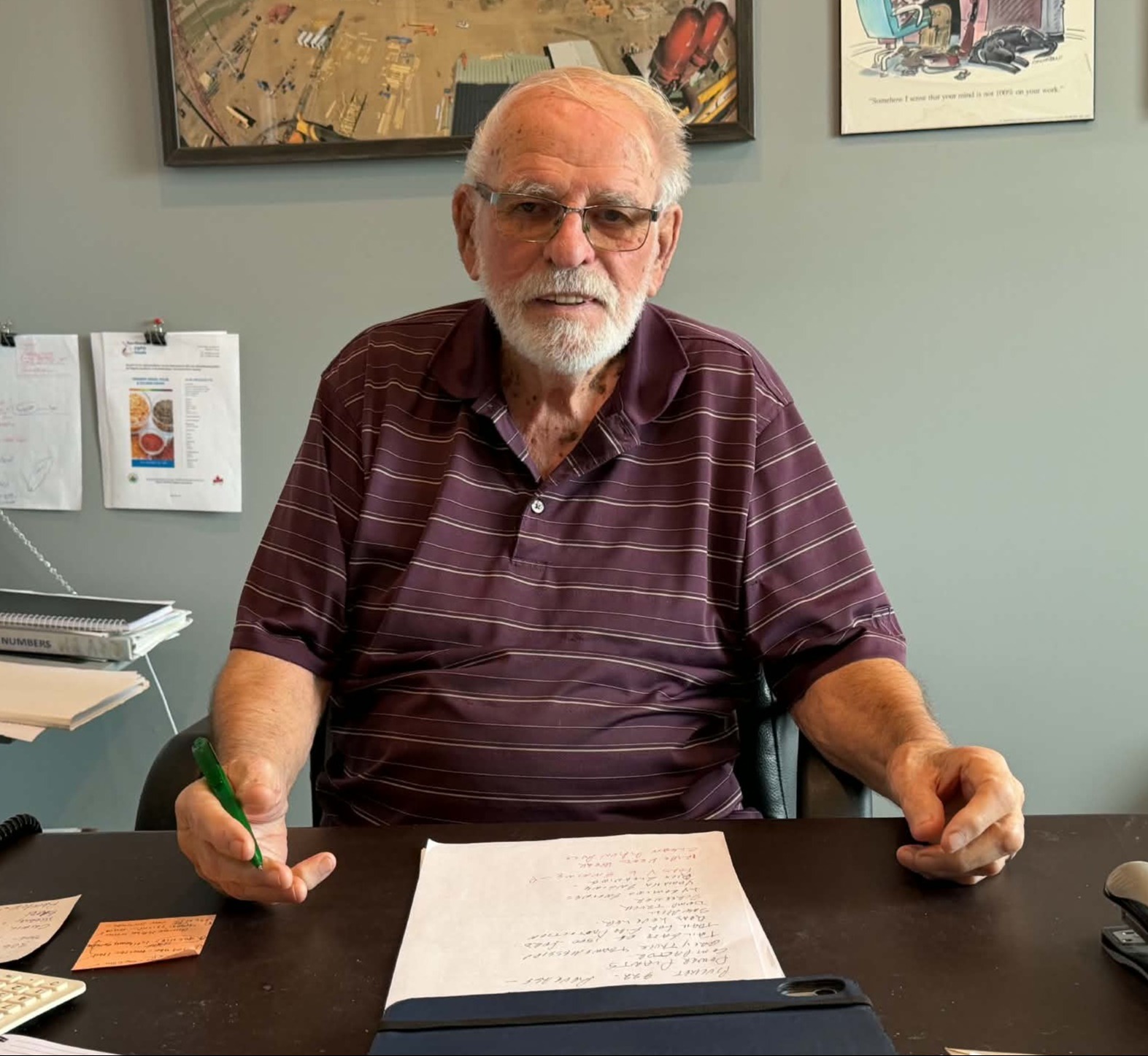
Jean Poirier became a developer after moving to La Ronge.
Jean Poirier became a developer after moving to La Ronge. (Image Credit: Derek Cornet/larongeNOW Staff)

In the early to mid-1970s, the town was home to 10 fishing camps which served the many tourists who would arrive in June, July and August. Guides could make good money back in those times, but there also pilots and specially-trained firefighters who parachuted into remote wildfires to extinguish them called smokejumpers.  

The economy changed rapidly, however, because of heavy influence by the provincial Department of Northern Saskatchewan. Officials back then wanted to transform La Ronge from a relatively quiet fishing oasis to a centre of commerce and administration in the North.  

“It basically took over the town in all aspects, even to put people on the council, so there was a big change then,” Poirier said, noting in one year the town went from several fishing camps to none.  

“Very simply when the government came in and they had some people on the council, it was disagreed that the fishing camps should only pay for half the taxes [and] they should pay full taxes. There was not enough revenue and everybody just shut down.” 

Right prior to town status in 1976, piped water and sewer services were introduced to the community and La Ronge Avenue was built up four to six feet. The airport was also in the process of being moved, leading to Air Ronge becoming a northern village in 1977. There were discussions on council about residents of the area joining La Ronge, but it wasn’t the will of the people who lived there, so an amalgamation of sorts didn’t occur.  

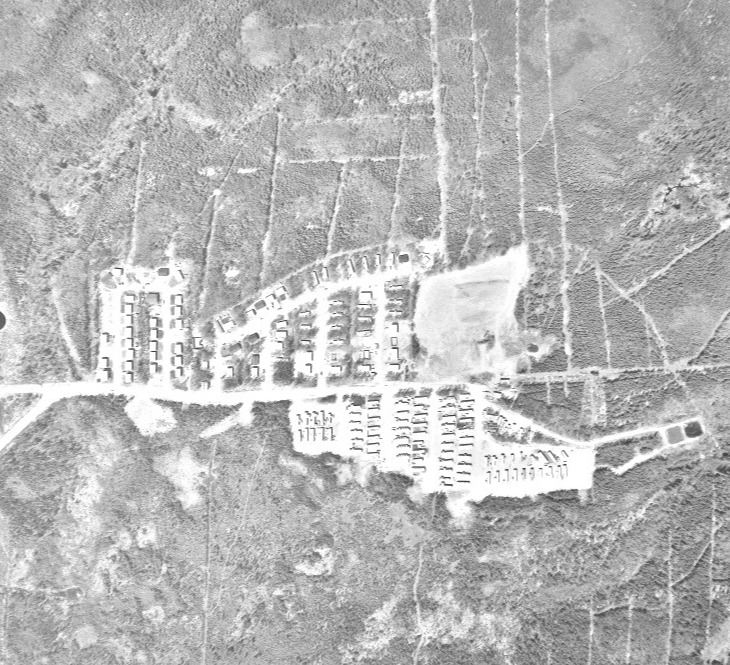
Bedford Drive in 1976.
Bedford Drive in 1976. (Image Credit: Submitted photo/Town of La Ronge)
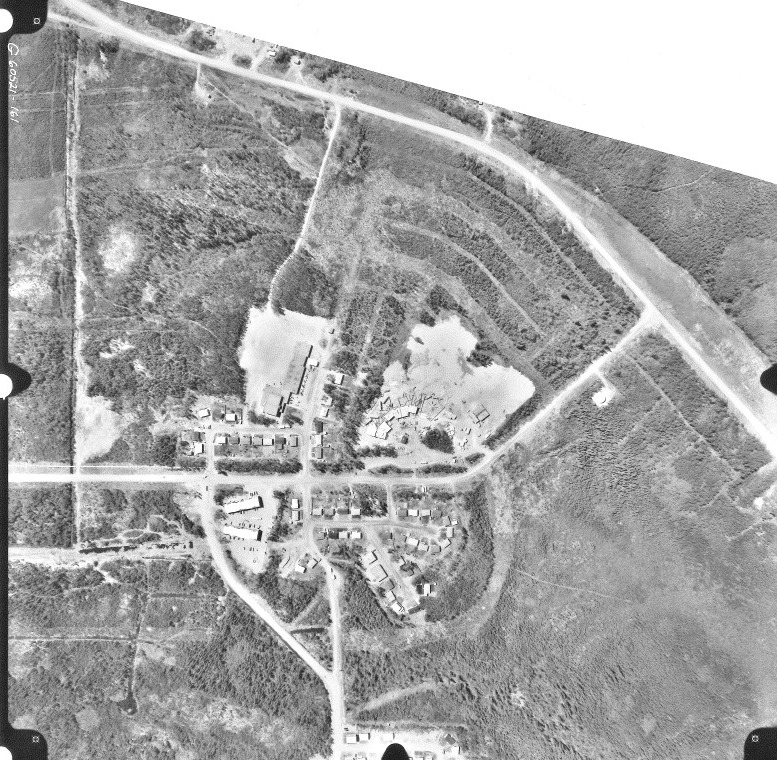
Boardman Street in 1976.
Boardman Street in 1976. (Image Credit: Submitted photo/Town of La Ronge)
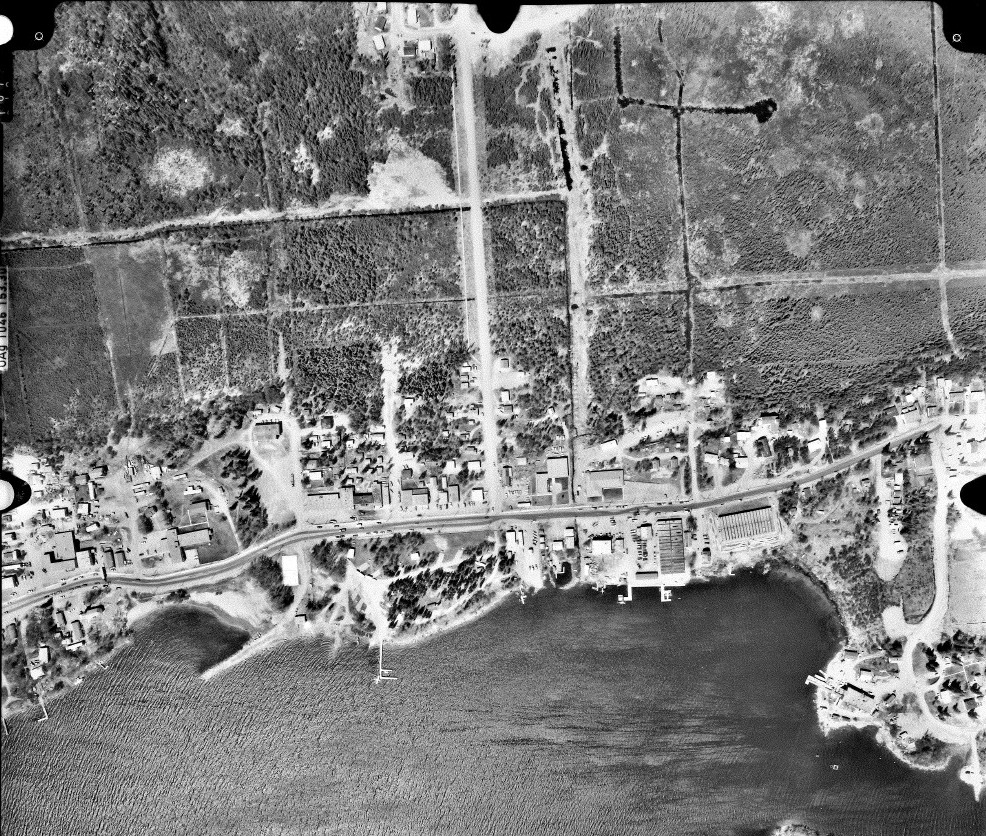
Downtown La Ronge in 1976.
Downtown La Ronge in 1976. (Image Credit: Submitted photo/Town of La Ronge)
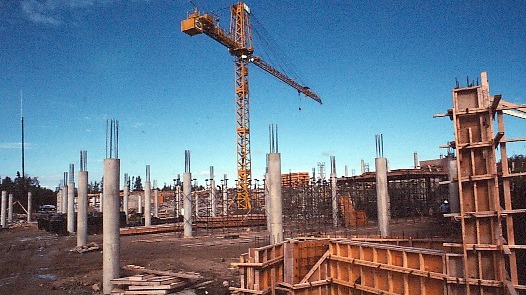
Construction of Mistasinihk Place. The office building, which housed multiple provincial government ministries, opened Nov. 12, 1980.
Construction of Mistasinihk Place. The office building, which housed multiple provincial government ministries, opened Nov. 12, 1980. (Image Credit: Submitted photo/Northern Saskatchewan Archives)
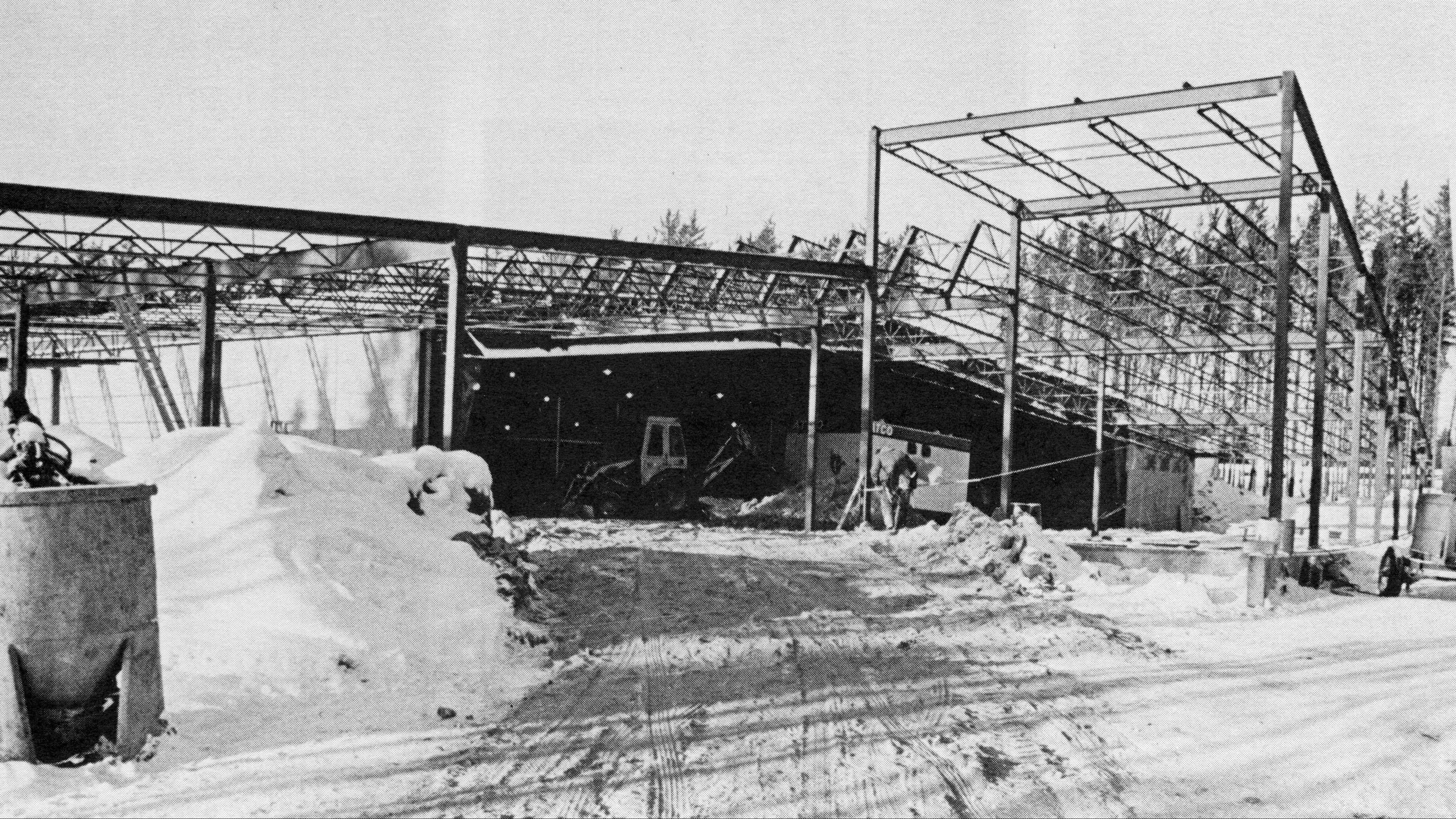
Construction of the now-called Mel Hegland Uniplex.
Construction of the now-called Mel Hegland Uniplex. (Image Credit: Submitted photo/Northern Saskatchewan Archives)
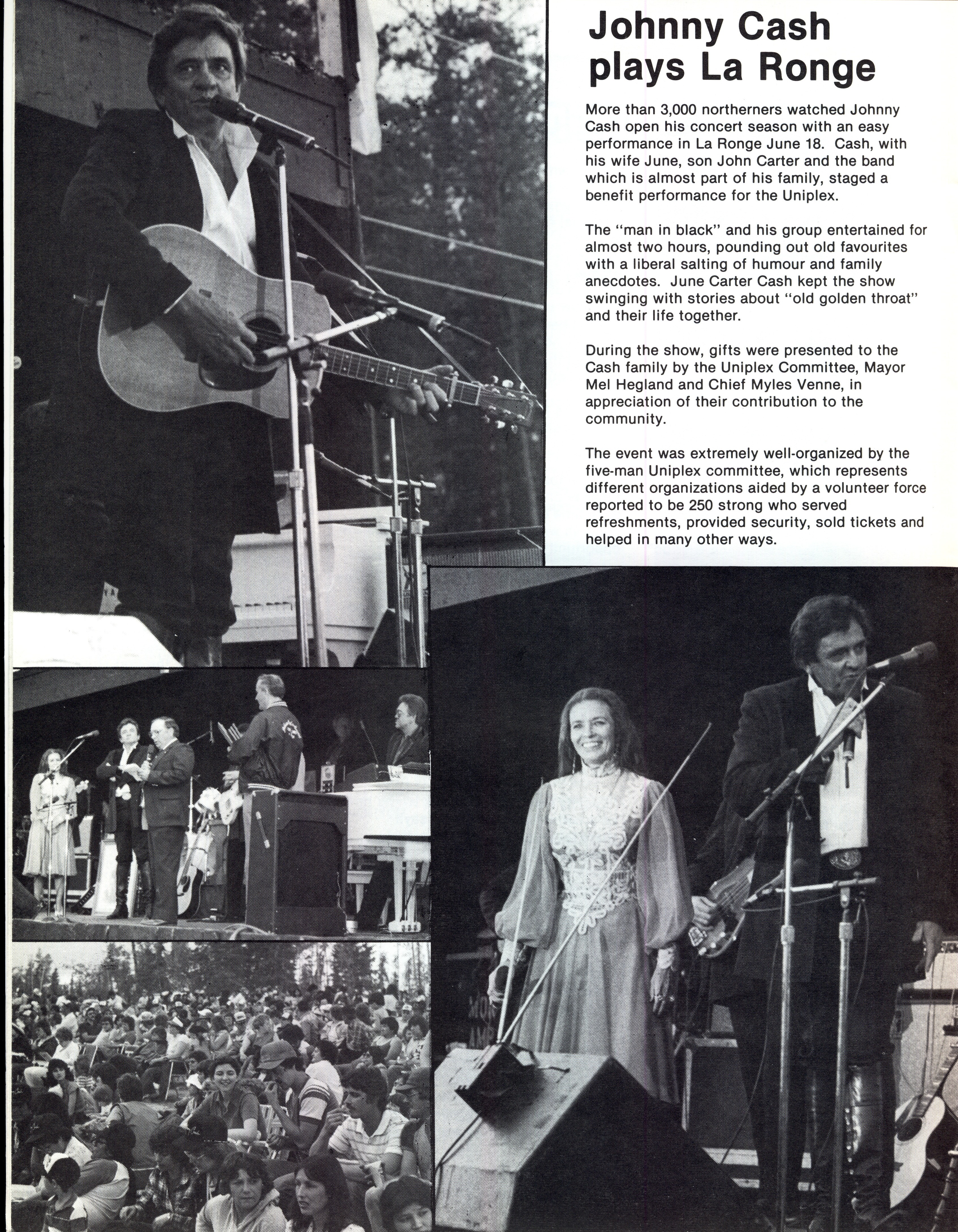
Johnny and June Cash held a benefit concern in La Ronge in 1983.
Johnny and June Cash held a benefit concern in La Ronge in 1983. (Image Credit: Submitted photo/Northern Saskatchewan Archives)
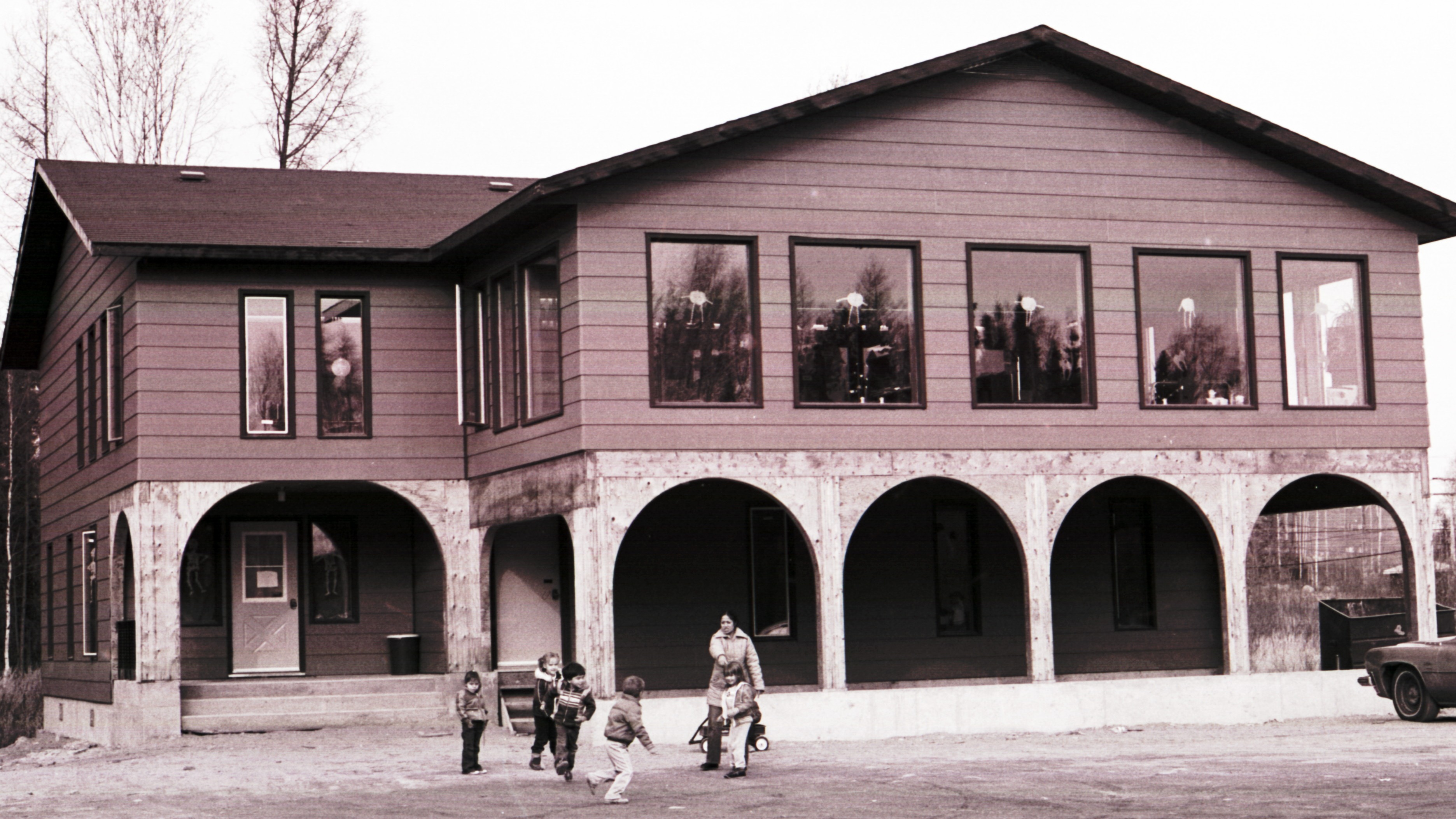
La Ronge Child Care Cooperative in 1983.
La Ronge Child Care Cooperative in 1983. (Image Credit: Submitted photo/Northern Saskatchewan Archives)
Former Prince Andrew and former Duchess of York Sarah Ferguson during a royal visit in 1989.
Former Prince Andrew and former Duchess of York Sarah Ferguson during a royal visit in 1989. (Image Credit: Submitted photo/Town of La Ronge)

“There was a plan by the government, which was a really nice plan, that the centre of town would develop itself into a shopping centre instead of having stores all over the place,” Poirier added.  

“For instance, where the clinic is now, there was going to be a great big hotel there overlooking the lake. The government was ready to put $6 million into the development, but the people opposed it.” 

In the 1970s, Elder Tom Roberts of the Lac La Ronge Indian Band was employed the provincial government as a journalist for Northern News. He later became the host of CBC’s Keewatin Country radio program in the 1980s and served in that role until his retirement in 2010.  

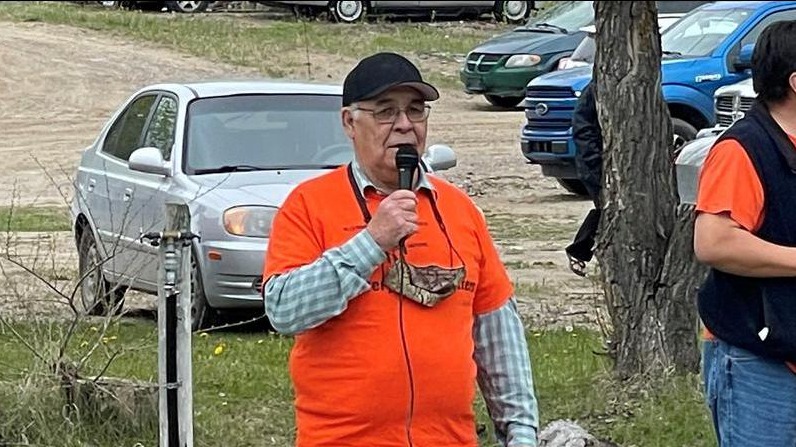
Elder Tom Roberts recalls an explosion of activity that was both good and bad for First Nations people.
Elder Tom Roberts recalls an explosion of activity that was both good and bad for First Nations people. (Image Credit: Derek Cornet/larongeNOW Staff)

Roberts called the 70s a new era for the First Nations population, who took up jobs with the province, opened their own businesses, and began to travel more. The increased development, however, disrupted family-orientated activities and ushered in changes that would alter their way of life. 

“The government moved too fast with what they wanted to do. For me as a First Nation person, it was too quick and it’s like you didn’t have time to think – just go do it. It was hard on families,” Roberts explained. 

“People didn’t travel as much back then, but when the government moved in, then there was a lot of travelling to communities down south and across Canada, and learning from other people, other cultures, other First Nations people on how things were going.” 

Roberts also stated residential schools were in full swing and children in the community were being sent to Prince Albert.  

“When we came out of there, the government at that time had a lot of programming for First Nations people and that’s where the NORTEP was born (launched in 1976),” he remarked. 

“[That’s when] we sort of flourished in hiring, teaching and doing their own administrative duties, their own teachers, their own doctors, their own nurses, their own lawyers and their own judges. It has evolved a lot and a lot of native people took advantage of that. I was one of them where I was sent to Edmonton to take journalism training for a year and came back.” 

With the increased development in the North, the lifestyle of First Nations people also changed. Clear-cutting of the forest disrupted traditional activities like hunting, trapping and generally living off what the land offered.  

There was also a boom in population among Indigenous and non-Indigenous people. Roberts believes the Lac La Ronge Indian Band itself has doubled in population to become today one the 10 largest bands in Canada. 

derek.cornet@pattisonmedia.com