Click here to sign up for our free daily newsletter
A screen shot from a bystander's video. (Image Credit: Submitted)
Emergency response

Coroner’s inquest hears from first police officer on the scene of Umpherville’s arrest

Jul 21, 2026 | 8:40 PM

According to Kelsey Bighetty, Boden Umpherville made it very clear to officers he did not want to be arrested.  

The former member of the Prince Albert Police Service testified Tuesday afternoon at the week-long coroner’s inquest at Court of King’s Bench in Prince Albert. On the morning of April 1, 2023, Bighetty was the first officer on scene of a car that had been reported stolen hours prior.  

According to the officer, Umpherville was in the passenger seat and was avoiding eye contact. When asked to provide his name, he stated it was Steven Sasakamoose and had difficulty recalling his birth date.  

Bighetty returned to his patrol car and when he ran the name through his computer there was no result. By this time additional officers had arrived on scene and as part of standard practice, Bighetty asked one of them if they recognized the front seat passenger.  

 “I heard him say Boden….Boden Umpherville”  

 Right away, Bighetty recognized the name. 

”I’m aware of his history with police.”  

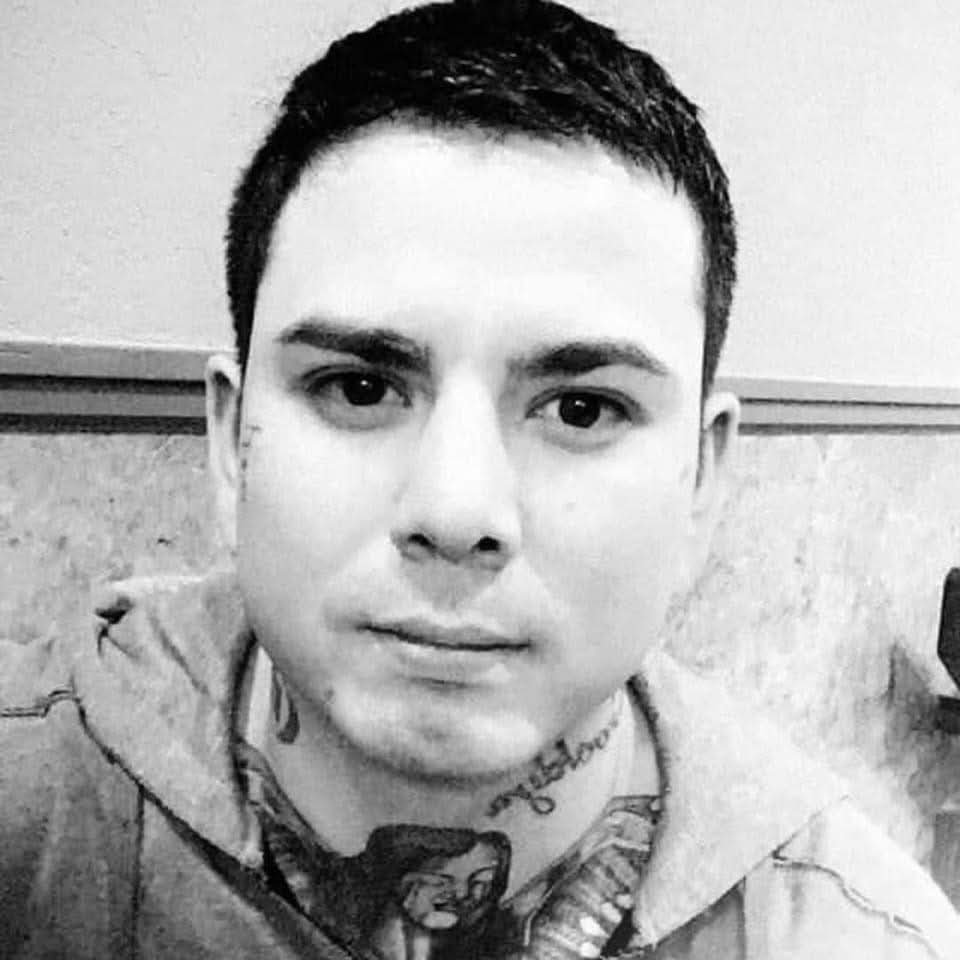
Boden Umpherville spent three weeks in hospital on life support before passing away.
Boden Umpherville spent three weeks in hospital on life support before passing away. (Image Credit: Submitted/ Chase Sinclair)

When Bighetty returned to the driver’s side, there were other officers on the passenger’s side and they were already in the process of trying to arrest Boden, who was not responding to verbal commands. Bighetty testified Umpherville was looking side to side, which he likened to the behaviour of someone trying to look for a way to avoid arrest. 

Bighetty also recalled the exact words Umpherville said to police. 

“You’re gonna have to [expletive] kill me”   

As the situation escalated, Bighetty and the other officers withdrew their conducted energy weapons (CEWs). As per one of the videos played in the courtroom Tuesday, the officers shouted at Boden to give up and warned him they would tase him. 

Umpherville continued to resist and during the ensuing struggle multiple CEW devices were deployed as well as OC spray. 

Bighetty stated none of the measures designed to control Umpherville were effective, adding Umpherville even pulled the CEW probes out. 

After moving from the passenger side to the driver’s seat, Umpherville put the car in gear and stepped on the gas. The car surged forward and crashed into a parked police vehicle. Umpherville then tried to reverse, but the vehicle got stuck on the ice. 

Recalling the sound of the car’s engine revving and the tires spinning, Bighetty, who was still on the driver’s side, continued to struggle with Umpherville. 

“I remember him swinging at me,” he said. 

 When asked at any point if he had considered drawing his gun, Bighetty replied no. 

Eventually, officers were successful in removing Umpherville from the car; however, Umpherville continued to resist and was trying to stand up. 

It was around this time officers discovered Umpherville was carrying a loaded gun, which Bighetty described as being near the waistband. According to testimony heard on Monday, officers, while trying to remove Umpherville from the vehicle, had observed him reaching for his waistband. Recognizing Umpherville had been tased multiple times, Bighetty alerted dispatch to send an ambulance. 

 “It was my reaction from training.”   

While on the ground, Umpherville was heard moaning and at one point said he could not breathe. Recognizing Umpherville was in distress, Bighetty suggested they move him into a more comfortable position on his side. 

The ambulance arrived about eight minutes later but Umpherville was still resisting and Bighetty confirmed this resulted in a delay for medical treatment. This was also confirmed in the final report by the Serious Incident Response Team (SIRT) which ultimately concluded that no criminal offenses were committed by police and the actions of the officers involved did not constitute excessive force.

It was only after Umpherville was handcuffed behind his back that he calmed down and was then placed on a medical stretcher. Bighetty confirmed he was informed Umpherville went into medical distress once he was in the ambulance. 

After Umpherville was transported to hospital, Bighetty said he contained the scene and separated the officers so they could prepare their notes as to what happened. 

 Peter Abrametz is the lawyer representing the Umpherville family and asked Bighetty why he did not ask the driver to turn the car off. 

“It all depends what we’re dealing with and if there’s any type of threat. At that time, I didn’t feel I needed to.” 

Another video recorded by a dashcam shows Umpherville was on the ground, and the officers appear to be on top of him. Bighetty, who confirmed he was trying to restrain Umpherville’s legs, said he only saw officers restraining one of Umpherville’s arms and another was at his side. 

Also in the video is what appears to be an officer striking his baton in a downward motion. Bighetty said this was likely an officer trying to reholster their baton, but added he could not say for sure. 

Umpherville passed away in hospital three weeks later.

While the 40-year-old suffered injuries during the arrest, the cause of death was determined to be cardiac arrest brought on by positional asphyxia and cocaine intoxication, with the involvement of a CEW (Conducted Energy Weapon) identified as only a possible, but unlikely contributing factor.

Forensic toxicologist

Earlier in the day, Dr. Jennifer Billingsky, a forensic toxicologist, testified Umpherville at the time of his arrest, had a large amount of cocaine in his system which likely put stress on his heart.

“It’s possible this level contributed to death,” she said.

Due to facts Billingsky did not receive blood samples until almost a month after the incident, and the rate cocaine metabolizes in the body, Billingsky explained it was nearly impossible to know exactly how much cocaine was in the system. Her conclusions were instead based on the presence of the drug and Umpherville’s behaviour.

Billinsky confirmed cocaine consumption can result in psychosis and aggression and a feeling of grandiosity.

The purpose of this week’s inquest is to provide the public with transparency about the incident, and at the conclusion, the six person jury may offer a list of recommendations they believe could help prevent similar deaths from occurring in the future.

Among the ideas mentioned this week was the use of body cams which could provide better video and audio and could better assist SIRT with these types of investigations.

nigel.maxwell@pattisonmedia.com