Click here to sign up for our free daily newsletter
A bowstring bridge located near Mervin, Sask. (Image Credit: Crosscut Films/Facebook)
LOCAL HISTORY

‘It’s not just a piece of engineering’: Documentary highlights Saskatchewan bowstring bridges

Aug 4, 2026 | 4:45 PM

What began as an appreciation for a distinctive piece of Saskatchewan engineering has become a race to preserve a disappearing part of the province’s history.

Scott Woroniuk, a filmmaker with Crosscut Films, is producing The Last Bowstrings: History of Saskatchewan’s Bowstring Arch Bridges, a documentary exploring the concrete bridges that once dotted Saskatchewan’s rural landscape.

Woroniuk said his fascination with the bridges began with his father, who had a deep knowledge of the province’s lesser-known history.

“I was attracted to them simply because they were so Saskatchewan,” he said. “And also you just had that really graceful arch that you didn’t see anywhere else on the Prairies.”
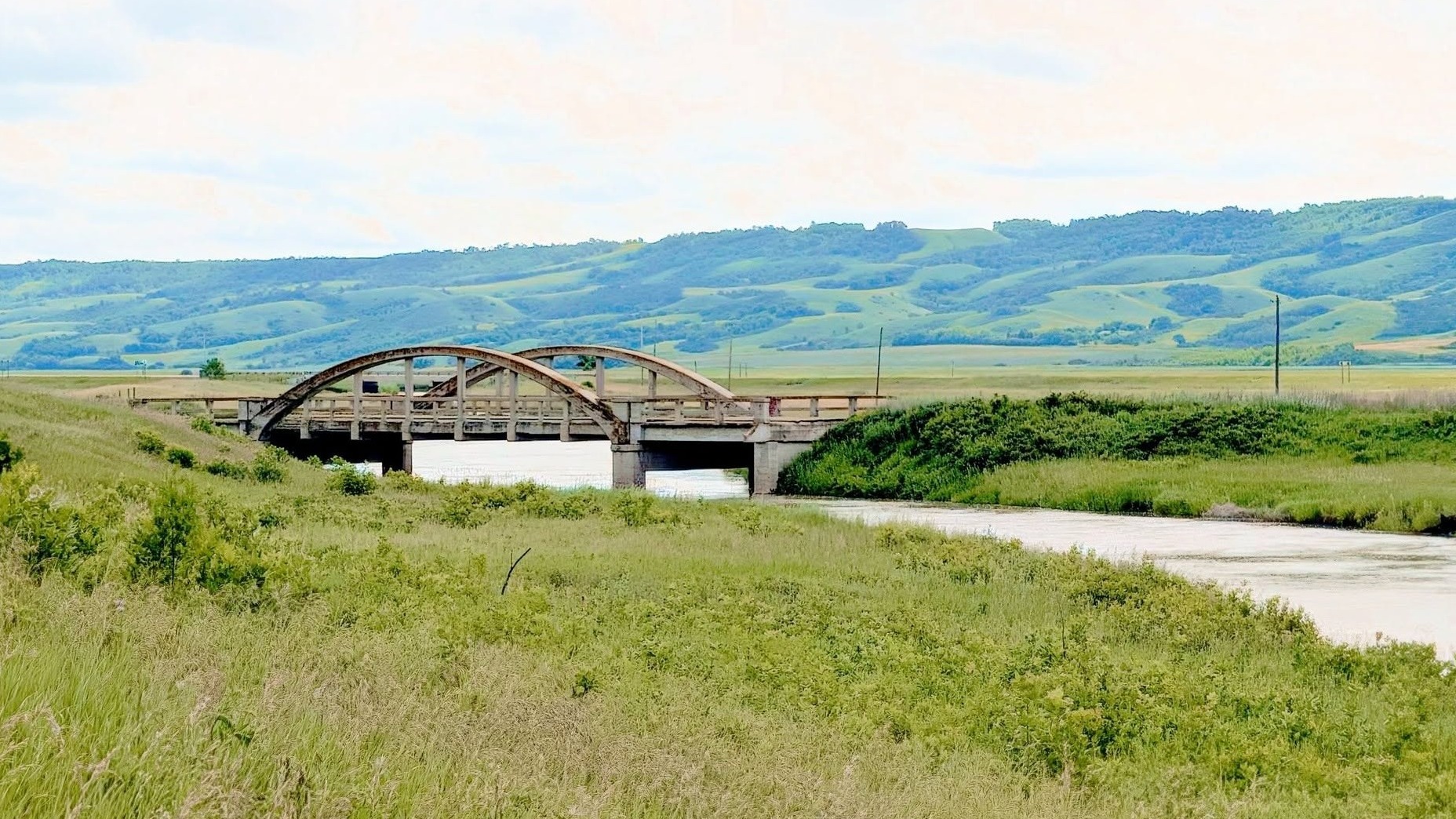

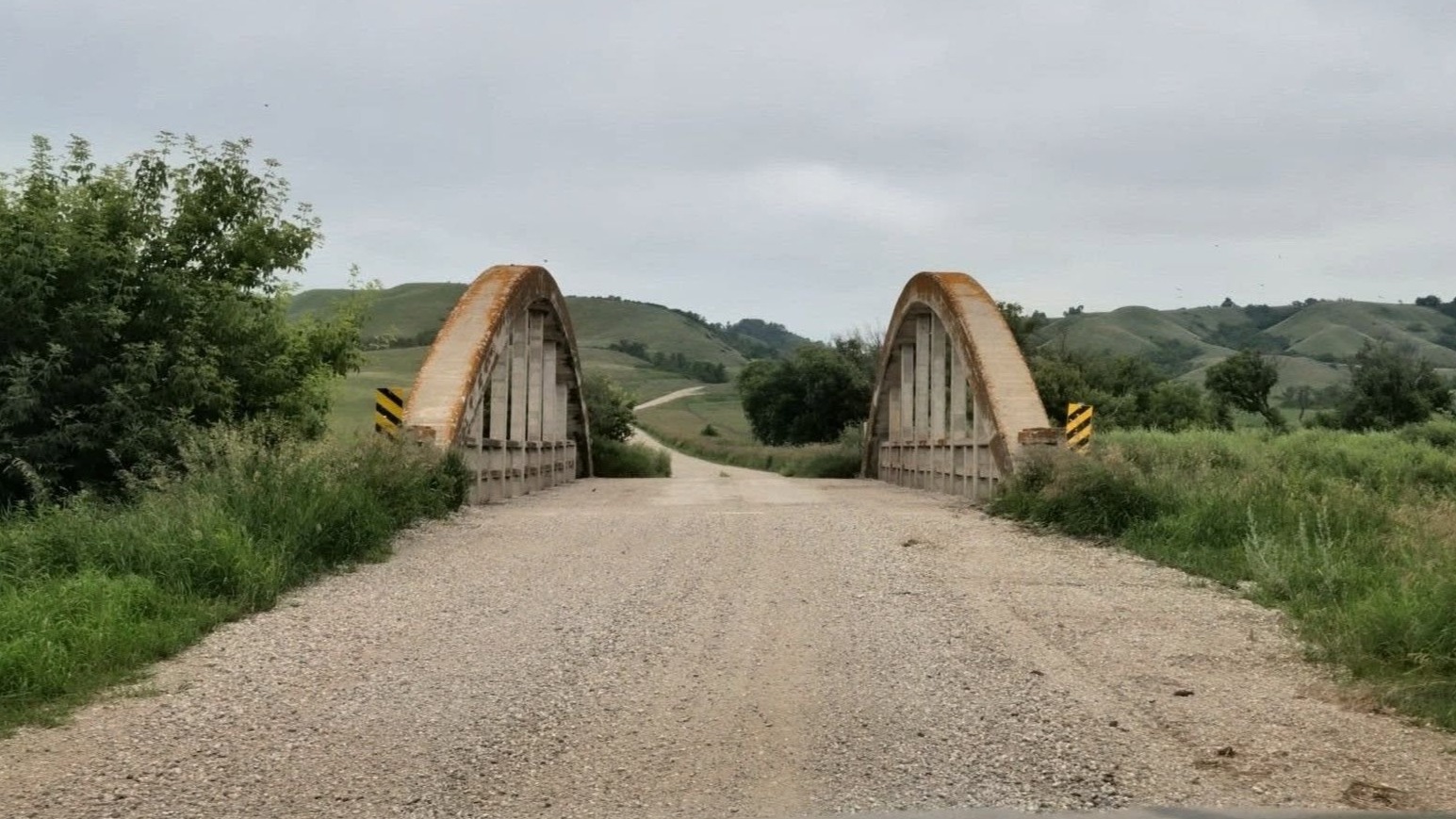
(Image Credit: Crosscut Films/Facebook)

The project was partly inspired by the disappearance of Saskatchewan’s grain elevators, structures that once seemed permanent before vanishing from the landscape. He believes the province’s bowstring bridges are reaching a similar point.

Of the 97 built across Saskatchewan, only 18 still carry traffic. Another 19 remain standing after being bypassed by newer roads or road realignments, while the rest have been demolished.

The bridges once stretched across much of the province, from the Carlyle area in the southeast to Turtleford in the northwest, and from Maple Creek and Piapot in the southwest to Tisdale in the northeast.

To document those that remain, Woroniuk has travelled more than 3,600 kilometres, filming every surviving bowstring bridge to create a visual record before more are lost.

“I don’t want people looking back maybe decades from now and wishing somebody had documented them while they were still here,” he said.


(Image Credit: Crosscut Films/Facebook)

He has also been searching for historic photographs, particularly images taken during construction, though he said those have been difficult to find despite extensive research at the Provincial Archives in Regina.

The documentary will be released on YouTube in three parts this fall. The first installment examines why the bridges were built, where they were located and how they were constructed. The second explores why so many disappeared, while the third focuses on the historic Borden Bridge over the North Saskatchewan River.

“From the time it was built, it was the longest concrete bowstring arch bridge in North America. Generally, bowstrings were just meant for small prairie crossings, but this was taken to a completely other level.”

“It’s not just a piece of engineering,” Woroniuk said. “It’s got some grace and some style to it.”

As filming continued, Woroniuk said the project evolved beyond documenting engineering and architecture. People began sharing the memories they associated with the bridges, stories of family visits, road trips and the familiar landmarks that signalled they were almost home.

“People would say, ‘When I saw such and such a bowstring, I knew we were getting close to grandma and grandpa’s place,’ or ‘I knew we were almost home,’” he said. “It became less about engineering and architecture than it was about how these bridges still keep Saskatchewan tied together, even if it’s just through memory.”

alyssa.rudolph@pattisonmedia.com