Click here to sign up for our free daily newsletter
(Image Credit: ID 77238187 © Tyler Olson | Dreamstime.com)
Local involvement

Indigenous-owned medical imaging clinic unveils $3.4 million expansion

Oct 13, 2026 | 4:55 PM

A $3.4-million expansion at a Saskatoon clinic in Market Mall was unveiled Thursday, aimed at giving Saskatchewan patients faster access to medical imaging services.

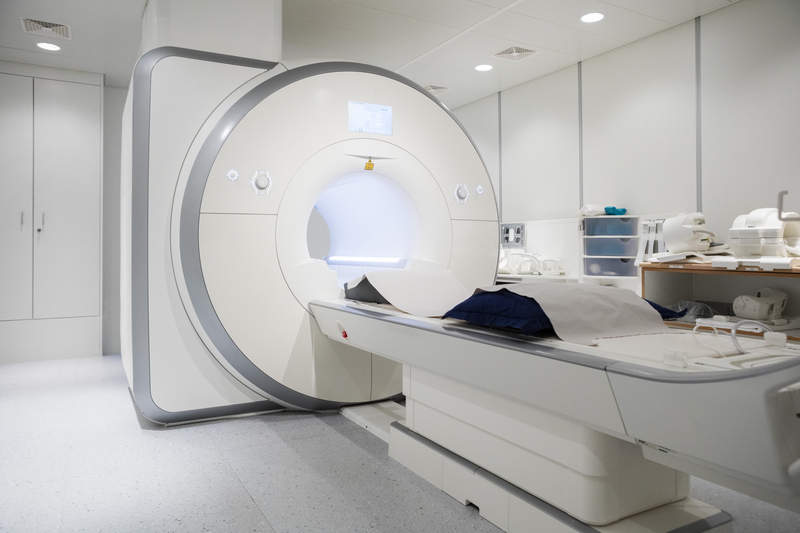
The expansion at National Medical Imaging includes an additional MRI unit, bone-density diagnostic equipment and a C-arm imaging system.

National Medical Imaging executive director, Darin Humphreys, said one of the expansion’s biggest additions is the new 1.5T MRI system, bringing the facility’s total to two.

He said the machine will allow the clinic to see more patients, distribute exams more efficiently, and offer more specialized imaging services requested by the Saskatchewan Health Authority.

“It also provides us with greater flexibility as we continue to expand our services and respond to the changing needs of the health of our health-care system,” Humphreys said.

The Market Mall location is the first 100 per cent First Nations-owned diagnostic imaging clinic in Canada.

The clinic is owned by Peter Chapman Band, Chakastaypasin First Nation and James Smith Cree Nation.

James Smith Cree Nation Chief Kirby Constant said he is proud of the expansion.

“We’re showing other nations what we can do when we work together, and it’s not only providing a service to our First Nation people, but also to the residents of Saskatchewan,” he said.

Saskatchewan’s Health Minister Jeremy Cockrill, said that since the clinic opened in 2020, tens of thousands of patients have undergone MRI and CT scans there.

“The addition of a new MRI 1.5 scanner means increased capacity and improved access for patients, not only here in Saskatoon but right across Saskatchewan,” Cockrill said.

“More capacity means shorter waits for patients, faster clinical decisions, and ultimately helping patients get the care that they need sooner.”

The clinic’s expansion was made possible through funding from the Saskatchewan Health Authority and Indigenous Services Canada, which contributed $936,000 to the project.

—